

Coral Reef Insight
Service Design
Service Design
Service Design

Client
The World Wildlife Fund
Industry
Environment and Wildlife Conservation
Timeframe
6 weeks
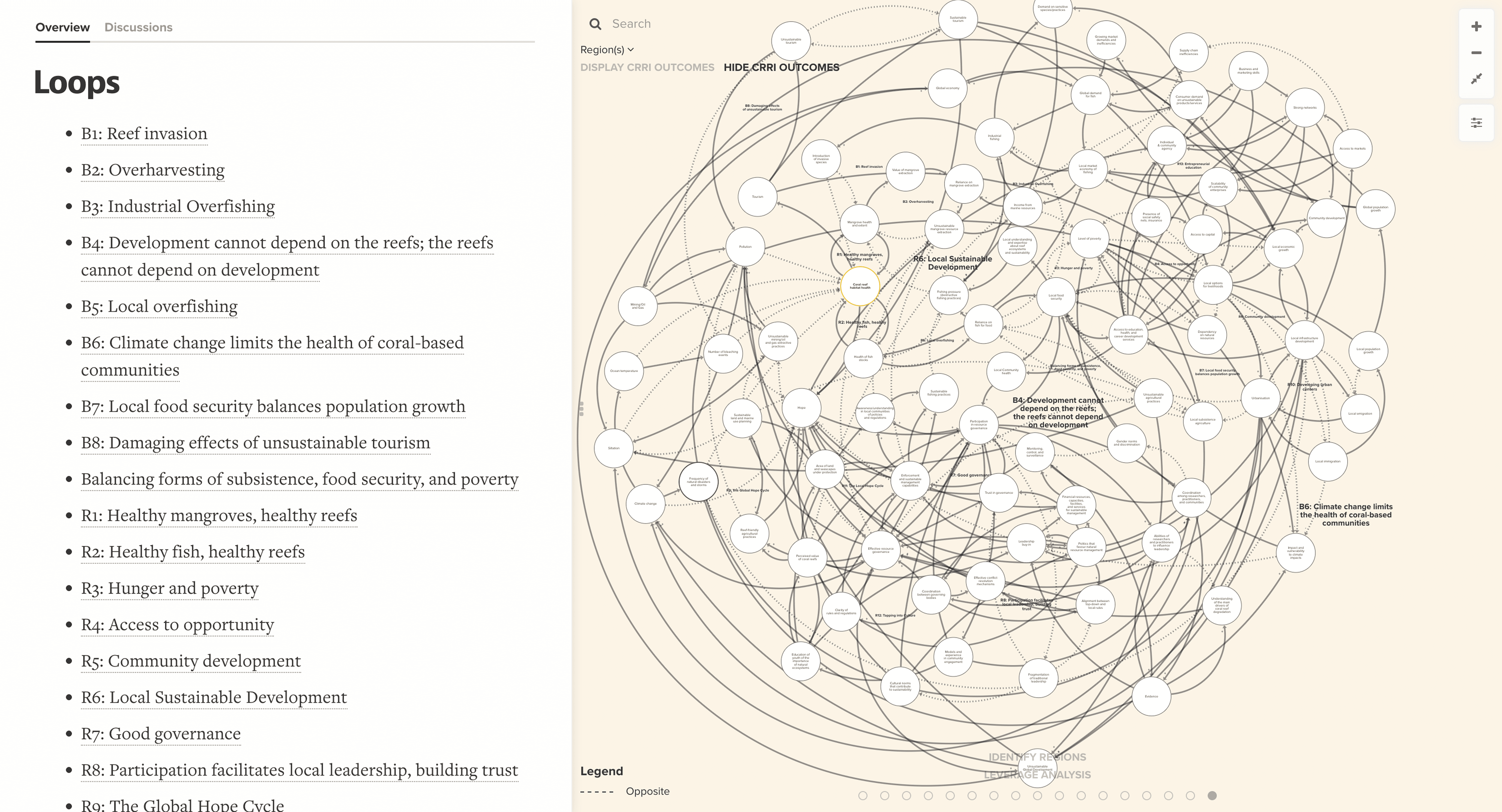
CoAligned partnered with the World Wildlife Fund (WWF), the Australian Institute of Marine Sciences (AIMS) and the Great Barrier Reef Foundation (GBRF) to explore how Large Language Models could support coral reef conservation across the Pacific Islands. Through service design, technical assessment, practitioner research and collaborative workshops, CoAligned helped identify viable AI use cases grounded in the needs of the people who manage and protect these ecosystems.
22 reef practitioners engaged
across Pacific Island nations and Australia
22 reef practitioners engaged
across Pacific Island nations and Australia
11 use cases uncovered
and prioritised for AI-assisted reef conservation
11 use cases uncovered
and prioritised for AI-assisted reef conservation
plotted over a 12-month roadmap
for responsible deployment in the Pacific
plotted over a 12-month roadmap
for responsible deployment in the Pacific


The opportunity
Artificial intelligence is transforming how organisations collect, analyse and act on data. In reef conservation, tools like image recognition and predictive modelling already exist. But a gap remains between sophisticated technology and the communities who need it most.
WWF, in partnership with AIMS and GBRF, recognised an opportunity to explore how emerging LLM capabilities could bridge this gap. The challenge was not simply identifying what AI could do, but understanding what Pacific reef practitioners actually needed, and ensuring they shaped the solutions rather than having technology prescribed from outside.
CoAligned was engaged to facilitate a programme of research and collaborative design that would surface practical use cases while establishing guardrails for responsible deployment.
Artificial intelligence is transforming how organisations collect, analyse and act on data. In reef conservation, tools like image recognition and predictive modelling already exist. But a gap remains between sophisticated technology and the communities who need it most.
WWF, in partnership with AIMS and GBRF, recognised an opportunity to explore how emerging LLM capabilities could bridge this gap. The challenge was not simply identifying what AI could do, but understanding what Pacific reef practitioners actually needed, and ensuring they shaped the solutions rather than having technology prescribed from outside.
CoAligned was engaged to facilitate a programme of research and collaborative design that would surface practical use cases while establishing guardrails for responsible deployment.
Artificial intelligence is transforming how organisations collect, analyse and act on data. In reef conservation, tools like image recognition and predictive modelling already exist. But a gap remains between sophisticated technology and the communities who need it most.
WWF, in partnership with AIMS and GBRF, recognised an opportunity to explore how emerging LLM capabilities could bridge this gap. The challenge was not simply identifying what AI could do, but understanding what Pacific reef practitioners actually needed, and ensuring they shaped the solutions rather than having technology prescribed from outside.
CoAligned was engaged to facilitate a programme of research and collaborative design that would surface practical use cases while establishing guardrails for responsible deployment.



The solution
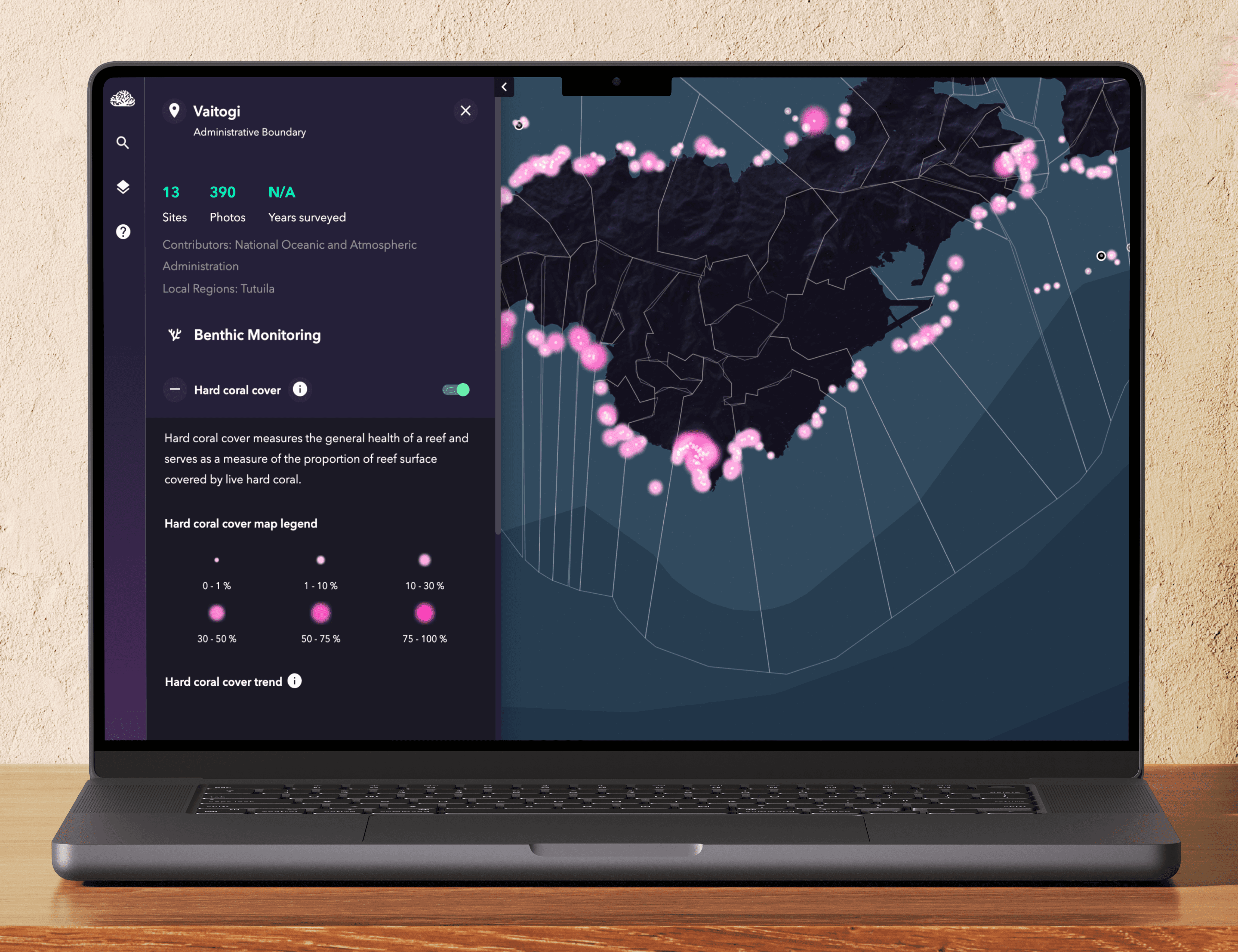
The programme combined technical assessment with deep practitioner engagement to identify where AI could genuinely support conservation decision-making.
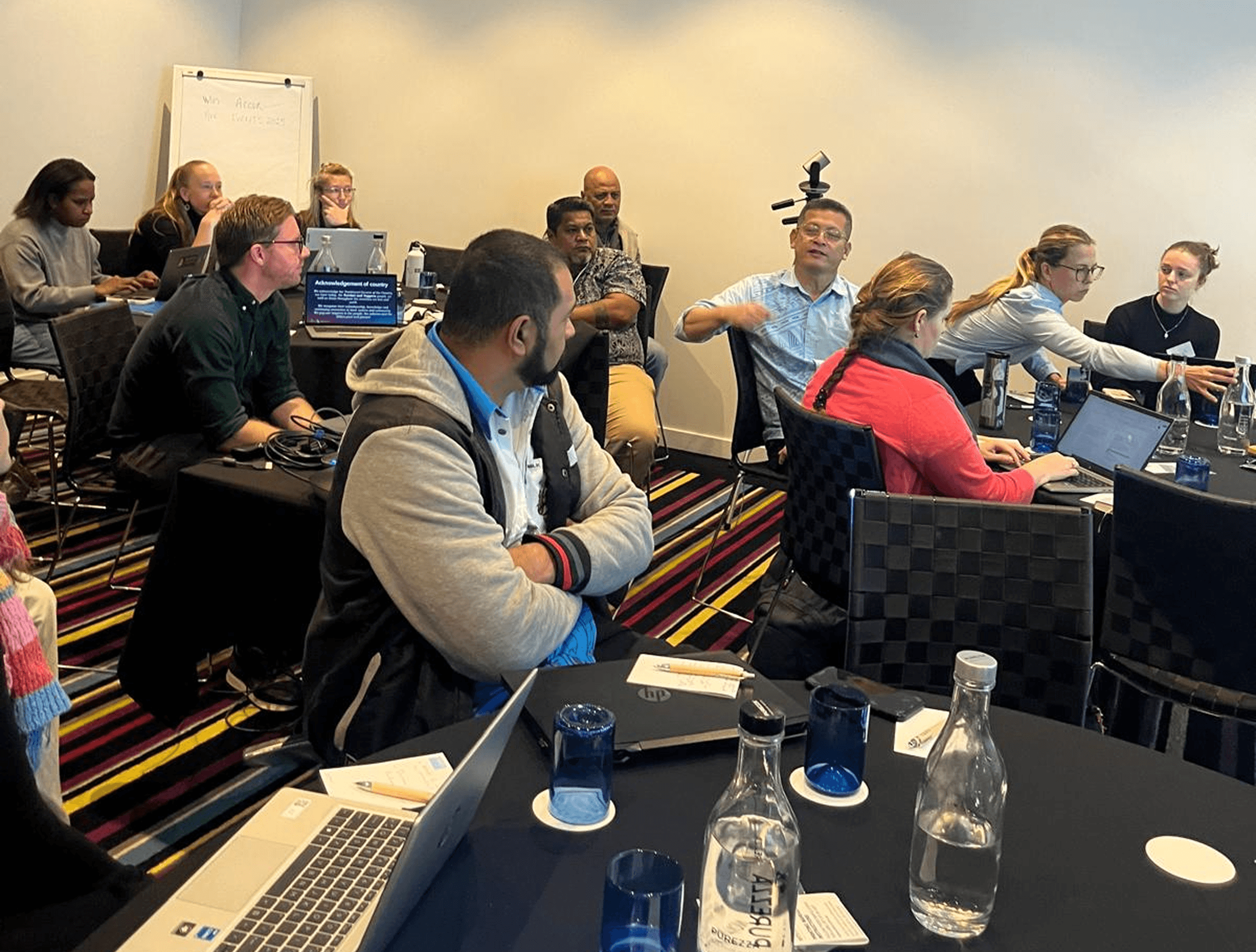
A survey of 22 reef managers and practitioners across Pacific Island nations established baseline AI adoption patterns and identified key challenges. This was followed by an interactive workshop in Brisbane bringing together practitioners from government, NGOs, academia and research organisations to collaboratively develop and validate use cases.
The research surfaced three interconnected challenges that any AI solution would need to address: the science-to-community translation gap, trust and quality control tensions, and the need for Pacific-wide knowledge sharing. Rather than proposing technology first, the programme established a core principle: LLMs should support decision-making, not replace it. This human-centered framing has shaped a practical and responsible roadmap for rolling out capabilities across the Pacific.
A survey of 22 reef managers and practitioners across Pacific Island nations established baseline AI adoption patterns and identified key challenges. This was followed by an interactive workshop in Brisbane bringing together practitioners from government, NGOs, academia and research organisations to collaboratively develop and validate use cases.
The research surfaced three interconnected challenges that any AI solution would need to address: the science-to-community translation gap, trust and quality control tensions, and the need for Pacific-wide knowledge sharing. Rather than proposing technology first, the programme established a core principle: LLMs should support decision-making, not replace it. This human-centered framing has shaped a practical and responsible roadmap for rolling out capabilities across the Pacific.
A survey of 22 reef managers and practitioners across Pacific Island nations established baseline AI adoption patterns and identified key challenges. This was followed by an interactive workshop in Brisbane bringing together practitioners from government, NGOs, academia and research organisations to collaboratively develop and validate use cases.
The research surfaced three interconnected challenges that any AI solution would need to address: the science-to-community translation gap, trust and quality control tensions, and the need for Pacific-wide knowledge sharing. Rather than proposing technology first, the programme established a core principle: LLMs should support decision-making, not replace it. This human-centered framing has shaped a practical and responsible roadmap for rolling out capabilities across the Pacific.